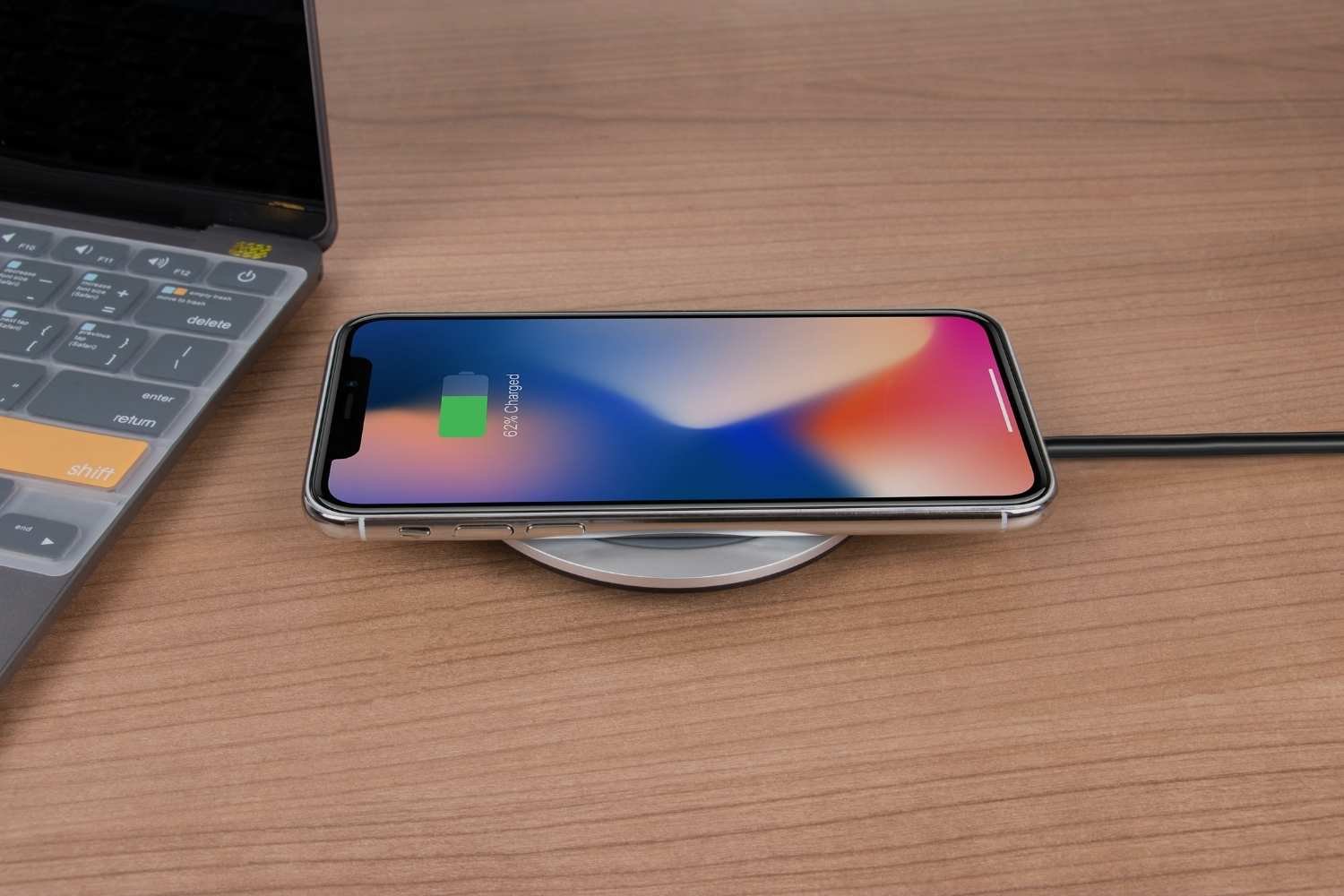
Battery issues are a common challenge for iPhone users, and knowing the ins and outs of iPhone battery replacement, including the associated costs, is indispensable for maintaining device performance and longevity. Users of models ranging from the iPhone 6s to the recent iPhone 11 frequently find themselves researching battery replacements, often weighing the iPhone 11 battery price alongside the less expensive battery for iPhone 6s options. Costs can vary dramatically, making it necessary for consumers to have a clear understanding of the investment required for a thriving, long-lasting iPhone. In this article, we delve into the specifics of replacement procedures and prices, offering valuable insights to guide readers through their iPhone battery replacement journey. Whether confronting reduced battery life or preparing for future needs, this guide illuminates a path to enduring iPhone usage. Keep reading to arm yourself with essential knowledge for navigating these common technological waters.
Why Would You Need to Replace an iPhone Battery?
As iPhone users continue to enjoy the myriad features of their devices, ranging from the iPhone 6 to the latest models, battery health remains a paramount concern. Over time, and through repeated charge cycles, the once robust endurance of an iPhone’s battery can wane, leaving the device unable to hold a charge as effectively as when it was new. Users may notice their iPhone 6 battery discharging more rapidly, a clear indication that battery replacement may be necessary. Users need to understand how to maintain their battery lifespan and performance, taking proactive measures such as optimizing iOS settings and avoiding extreme temperatures that could degrade battery health. For those experiencing issues, iOS provides tools to assess battery condition directly on their iPhone or iPad, offering transparency on whether service might be required. The insights gleaned from iOS can also inform decisions regarding battery replacement for devices like the MacBook Pro, ensuring the longevity and efficiency of their telephone and computing needs.
Signs Your iPhone Battery Needs Replacement
For iPhone 12 or iPhone 13 users, a telltale sign that battery replacement might be imminent is an unexpected shutdown even when the battery percentage indicates remaining power. Such erratic behavior suggests the battery’s inability to deliver the necessary peak performance under load, indicating diminished capacity. Users may also notice longer charging times or the need to charge the device more frequently throughout the day, hinting at the battery’s declining health. Owners of the iPhone 14 and iPhone SE might observe a notable decrease in usage time since the device was new, a red flag that the battery is no longer functioning at its peak. Similarly, MacBook users could experience rapid battery drain even during light tasks, or their laptop may only operate when plugged into a power source, pointing toward a battery that has reached the end of its operational lifespan. These performance issues typically call for professional battery assessment and potential replacement to restore the device’s reliability.
Looking for Repairing Services in Mayfield or Newcastle?
Find trusted and efficient repairing services in Mayfield and Newcastle to meet all your needs!
Maximizing Battery Lifespan and Performance
To ensure the longevity of devices such as the iPhone 11 Pro or an older iPhone 8, users are encouraged to adopt battery preservation strategies. Steering clear of extreme temperatures, both hot and cold, can significantly reduce the risk of battery damage and prolong its operational capacity, allowing the device to maintain its originally intended performance levels for a longer period. Regularly backing up important data and performing a factory reset can reinvigorate device performance, much like clearing clutter from a Mac’s hard drive. Additionally, iPhone users should consider regularly checking their battery’s performance status after removing the sim card, as this temporary action can sometimes reset the phone’s power management to optimal settings, thereby enhancing overall battery efficiency and staving off the need for immediate replacement.
Checking Battery Health on iOS
For users of iPhone models ranging from the iPhone 7 to the high-end iPhone 13 Pro and iPhone 14 Pro, monitoring battery health is a straightforward process thanks to the built-in iOS feature. This utility, found in the settings menu, offers a clear visualization of the battery’s maximum capacity relative to its original state when new, enabling users to gauge when a replacement might be warranted based on diminished capacity that influences performance and usage times.
iPhone Model
iPhone 7
iPhone 13 Pro
iPhone 14 Pro
Battery Health Feature
Available
Available
Available
Replacement Indication
Significantly Reduced Capacity
Rapid Discharge & Unexpected Shutdowns
Erratic Performance & Longer Charge Times
The precise metrics accessible to users include the notable percentage format, which simplifies the decision-making process regarding maintenance or investment in a new battery. The cost – or price consideration for replacement – becomes relevant, particularly for older models like the iPhone 7 as opposed to newer models such as the iPhone 12 Pro and iPhone 13 Pro, where the warranty or AppleCare might still cover battery service, thus making it economically more feasible to repair rather than replace the device.
How Much Does a Replacement iPhone Battery Cost?
The decision to replace an iPhone battery often hinges on the associated costs, which can vary widely based on a multitude of factors. For iPhone X owners considering a battery upgrade, understanding what influences the price is crucial, as is knowledge of Apple’s pricing structure for such services. While Apple provides a clear fee schedule, including labor charges for iPhone battery replacement, a comparison with third-party service providers can unravel potential savings or reveal quality trade-offs. Individuals must consider not only the cost of replacing the insulator and other components that keep the device running smoothly but also auxiliary considerations such as the necessity of backing up data via iTunes and related expenses like replacing headphones or laptop adapters that may have been affected by battery issues. Determining the financial outlay for a battery replacement encompasses both immediate fees and the long-term value of revitalizing the device’s performance and lifespan.
Factors Affecting iPhone Battery Replacement Cost
The cost to replace a battery in a mobile phone, particularly an iPhone, can be influenced by the model of the smartphone in question. For instance, the cost of replacing a battery in older models such as the iPhone 5 may differ from those incurred for newer models like the iPhone XS due to differences in battery technology and availability. Another factor impacting the cost of an iPhone battery replacement is whether the service is performed through an authorized Apple service provider or an independent repair shop. Official service might come at a premium; however, it often includes a warranty, whereas third-party shops may offer more competitive rates for smartphone users but with varying degrees of quality and guarantee.
Apple’s Pricing for Battery Replacement
When it comes to the pricing of battery replacements, Apple maintains a structured fee schedule, with the cost varying based on whether the device is under warranty or not. For an out-of-warranty iPhone, like the latest iPhone 15 Pro, the expense is generally higher, but with the assurance of compatibility and maintenance of features such as Touch ID. Customers seeking a battery replacement for the iPhone 15 Pro will confront the question of whether to rely on Apple’s established service, which includes a guarantee of workmanship and preservation of system integrity within macOS and iOS ecosystems. Deciding to service with Apple also ensures that any remaining warranty on the device will remain unaffected.
Cost Comparison: Apple vs Third-Party Services
When seeking iPhone battery replacement services, customers often weigh the options of returning to the Apple ecosystem or opting for independent providers they find on the internet. Cost disparities can be marked; Apple’s service charges incorporate the promise of genuine parts and the likelihood that features such as the camera will continue to function seamlessly, while third-party services, which can be researched on platforms like iFixit, may be less costly but come with varied assurances regarding quality and data security. For those inclined to choose an independent repair service, the convenience of online credit card transactions adds to the allure, enabling quick and easy payment. However, customers need to ensure that the third-party service adheres to strict quality standards, especially when considering the sensitivity of the iPhone’s data and integrated camera systems.
- Customers compare service costs between Apple and independent providers online.
- Apple charges include a guarantee for genuine parts and system integrity.
- Independent services found through iFixit may offer competitive rates.
- Online credit card transactions make third-party services easily accessible.
- The quality of third-party repairs and data security are primary concerns.
Does Replacing a Battery Void Your Phone Warranty?
When an iPhone ceases to boot or an Android device struggles to hold a charge, owners may consider battery replacement, yet they often grapple with concerns about warranty implications. Navigating Apple’s warranty policy or deciphering phone plan terms can leave users wary of the risks associated with unauthorized repair services and the subsequent charges that may arise. However, not all battery replacement scenarios result in warranties becoming void. Certain exceptions exist, enabling consumers to maintain their coverage, and providing peace of mind as they address their device’s power issues. This section examines when Apple’s warranty policy forgives a battery update and when it demands adherence to specific conditions to keep the warranty intact post-repair.
Looking for Repairing Services in Mayfield or Newcastle?
Find trusted and efficient repairing services in Mayfield and Newcastle to meet all your needs!
Understanding Apple’s Warranty Policy
Apple’s warranty policy is designed to protect customers by ensuring that their devices operate at original specifications, including maintaining expected voltage levels and battery adhesive integrity. Warranty coverage typically includes the repair of any manufacturing defects that hinder the ability to store charge effectively, ensuring the device can restore its power capacity adequately after service. If Apple or an Apple-authorized service provider carries out the battery replacement, the warranty remains valid. This assurance enables consumers to address battery issues without concern, safe in the knowledge that the service is designed to align with the precise regulatory standards of Apple hardware and software.
- Warranty coverage includes addressing defects impacting voltage and storage capability.
- Authorized replacement services maintain warranty and restore device integrity.
Exceptions to the Rule: When Warranty Remains Intact
Contrary to what many users fear, not all battery replacements result in a voided warranty. For instance, if a user has posted their iPhone 4 for service through an Apple-authorized provider such as uBreakiFix, the warranty remains intact. These providers have official sanctions to perform repairs which aligns with Apple’s strict guidelines, thereby preserving the device’s warranty status. Additionally, circumstances involving mandatory updates, such as a software patch distributed via JavaScript that affects battery functionality could warrant a covered battery service. In such cases, if Apple mandates a battery replacement to maintain device integrity, including those as recent as a smartwatch or as dated as the iPhone 4, the warranty terms are preserved, allowing the user to benefit from the repair without forfeiture of coverage.
Is It Worth Replacing an iPhone Battery?
Deciding whether to replace an iPhone battery hinges on weighing the immediate experience against long-term profitability. Users must consider the aging charge cycle of their device and whether infusing new life into their iPhone through battery replacement aligns with both their usage demands and economic logic. This evaluation often stands apart from the loud advertising for newer models, including those like the Google Pixel. In Canada, and elsewhere, the cost versus benefits analysis delves into not just the price of service but also the extended advantages a new battery ushers in – how much more usable time one gains and the potential savings from delaying an upgrade to a newer device.
Evaluating Cost vs. Benefits of Battery Replacement
Evaluating the decision to replace an iPhone battery calls for a thorough consideration of the device’s health and the iOS it supports. For those running on iOS 9 or later, a new battery can restore full functionality to features critical to everyday use, such as Apple Pay, ensuring continuity in services and saving money otherwise spent on purchasing a new device. The thought process behind battery replacement often revolves around the device’s performance in its current cycle. If replacing the battery promises to breathe new life into an iPhone caught in an infinite loop of charging and power drain, the upfront investment may result in substantial long-term savings, both in terms of money and maintaining the existing device’s health.
Long-Term Advantages of a New Battery
Opting to have an iPhone 5c battery replaced can significantly enhance the overall device performance and extend its lifespan, which is particularly beneficial for users who frequently engage in online shopping or use their mobile for intensive tasks. A new battery improves the efficiency of the device, ensuring longer usage times between charges, and maintains optimal battery health, which is directly correlated with the responsiveness and brightness of the screen. Investing in a new battery for older models like the iPhone 5c can delay the need for a costly upgrade. Consumers benefit from improved battery health, which leads to increased resale or trade-in value if they choose to transition to a new device later. The ripple effect of the new battery extends to the device’s overall health, including screen longevity and touch sensitivity.
Conclusion
Replacing an iPhone battery is a critical step towards maintaining the device’s optimum performance and extending its lifespan. Understanding when to replace the battery and how to do it—whether through Apple’s authorized service or a DIY approach—can save users time and money. The process, when done properly, restores efficiency, preventing the need for frequent charges and prolonging usage time. Ultimately, responsible battery management and replacement ensures the device continues to serve the user’s needs without the immediate need for an expensive upgrade.